
Opening Scene: A Simple Search That Changed Everything
Imagine this:
In a tiny town, someone looks for the “best budget smartphones” online. They see blog posts, comparative videos, reviews, and tailored advertisements in a matter of seconds.
After a few clicks, people buy something without ever going to a store. Behind this simple journey lies the answer to What is .
Digital marketing is not just about selling online. It is about being present at the exact moment when a customer is searching, exploring, or deciding. It connects businesses and people in a fast, smart, and personalized way.
What Exactly is Digital Marketing?
What is Digital Marketing? Digital marketing is the art and science of promoting products or services using digital technologies. It combines creativity and data to reach the right audience through platforms like social media, search engines, and websites, helping businesses grow and connect with customers effectively.
It uses platforms like:
- Websites
- Search engines
- Social media
- Mobile apps
- What people search for
- What they click
- What they ignore
- What influences their decisions
The Shift from Traditional to Digital Marketing
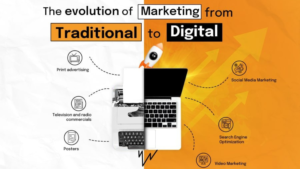
Traditional Marketing
- Mass communication (TV, newspapers, radio)
- Same message for everyone
- No clear tracking of results
- Limited interaction
Digital Marketing
- Targeted communication
- Real-time performance tracking
- Instant strategy adjustments
- Two-way interaction with customers
This shift transformed marketing from guesswork into a data-driven system.
The Building Blocks of Digital Marketing
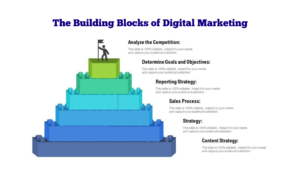
Digital marketing is made up of several key strategies working together.
1. Search Engines: The Starting Point
Most online journeys begin with a search. When someone searches, they show intent.
Search Engine Optimization (SEO)
SEO helps businesses appear in search results by:
- Optimizing website content
- Improving site performance
- Matching user search intent
Think of SEO as the road system that guides users to the right destination.
2. Content: The Voice of the Brand
- Blogs
- Videos
- Guides
- Articles
Good content:
- Answers questions clearly and effectively
- Solves real problems faced by the audience
- Builds trust, credibility, and long-term relationships
3. Social Media: The Conversation Space
Key features:
- Posting content
- Responding to comments
- Building communities
- Sharing stories
Successful social media marketing depends on authenticity and engagement, not just promotion in digital marketing.
- Paid Advertising: The Accelerator
Features:
- Highly targeted audience reach
- Based on interests, behavior, and demographics
- Fast results compared to organic methods
Paid ads act like a shortcut, but still require strategy and direction.
- Email Marketing: The Personal Touch
It is used for:
- Updates
- Offers
- Tips
- Relationship building
Why Digital Marketing Works So Well
People today:
- Search before buying
- Read reviews before trusting
- Compare before deciding
The Role of Data in Digital Marketing
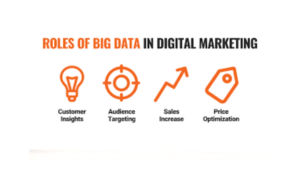
Every online interaction generates data.
This data helps businesses understand customer behavior and preferences, which is a core part of What is Digital Marketing and how modern businesses make smarter marketing decisions.
- Customer preferences
- Behavior patterns
- Effective strategies
Businesses use this data to:
- Improve campaigns
- Enhance user experience
- Increase conversions
Key Benefits of Digital Marketing
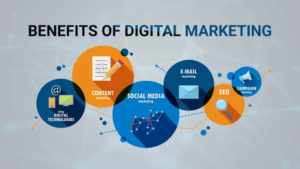
- Precision
- Adaptability
- Engagement
- Measurability
If you want, I can also turn this into a paragraph or presentation slide format.
Challenges in Digital Marketing
Here’s an expanded version with the keyword “What is Digital Marketing” added naturally and genuinely: What is Digital Marketing? It is the process of promoting products, services, and brands through online platforms and digital technologies to connect with targeted audiences effectively. Here’s an expanded version with a few more words added to each point.
-
High competition online – In What is Digital Marketing, many businesses compete for the same audience online, making it difficult to stand out, attract attention, and gain visibility effectively.
-
Constant algorithm changes – What is Digital Marketing also involves adapting to frequent algorithm updates on search engines and social media platforms, which can affect reach, rankings, traffic, and engagement.
-
Need for continuous updates – In What is Digital Marketing, strategies, content, marketing trends, and digital tools must be regularly updated to remain relevant, competitive, and effective.
-
Privacy and data protection concerns – What is Digital Marketing includes handling customer data responsibly, as increasing privacy regulations and user awareness require ethical and secure data management practices.
The Human Side of Digital Marketing
Behind every digital action, there is a human story:
A search is not just a typed phrase—it is a question, a curiosity, or a problem someone is trying to solve. It reflects uncertainty, learning, or the desire for clarity in the world of What is Digital Marketing.
A click is more meaningful than a metric—it represents interest, attention, or trust. It means the user found something relevant enough to explore further through effective What is Digital Marketing strategies.
A scroll or pause shows behavior patterns—what captures attention, what gets ignored, and what resonates emotionally. These insights are an important part of understanding What is Digital Marketing and audience engagement.
A purchase is the most important step—it is a decision driven by need, desire, convenience, trust, or sometimes even emotion. It shows that a brand has successfully connected with a person at the right moment through successful What is Digital Marketing techniques.
The Future of Digital Marketing
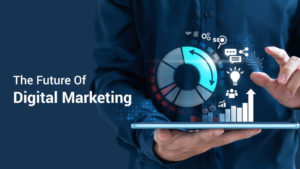
Digital marketing is evolving at a very fast pace, and the way brands connect with people is changing every year. What is Digital Marketing is no longer limited to online advertising alone; it now includes personalized communication, customer engagement, data analysis, content creation, and brand building across multiple digital platforms.
New technologies, growing internet usage, and changing user behavior are continuously shaping how Digital Marketing works today and in the future. Businesses are now focusing more on personalized experiences, data-driven strategies, and real-time engagement to stay competitive in the world of Digital Marketing. As digital platforms expand and consumer expectations increase, marketers must adapt quickly, learn new tools, and innovate constantly to build strong and meaningful connections with their audience through effective Digital Marketing strategies.
-
Artificial Intelligence is making campaigns smarter
Artificial Intelligence (AI) is transforming What is Digital Marketing by making it more efficient, data-driven, and personalized for customers. In modern What is Digital Marketing strategies, marketers now use AI to:
- Analyze customer behavior and preferences more accurately
- Create personalized ads and product recommendations
- Automate email campaigns, customer support, and chat responses
- Predict future buying trends and customer needs
- Improve overall performance and decision-making in What is Digital Marketing campaigns
This means businesses can reach the right people with the right message at the right time, with much less manual effort.
2. Voice search is growing
With the rise of smart assistants like Google Assistant, Siri, and Alexa, voice search is becoming more common in What is Digital Marketing strategies. People now search differently—they use full questions instead of short keywords.
For example:
- Instead of “best pizza Calicut”
- “Where can I find the best pizza near me?” they inquire.
This shift in user behavior is changing SEO strategies in What is Digital Marketing
3. Video content is dominating online platforms
Video has become one of the most powerful forms of content in What is Digital Marketing today. Platforms like YouTube, Instagram Reels, and TikTok have made short-form videos extremely popular in the world of What is Digital Marketing.
Businesses use videos in What is Digital Marketing for:
- Product demonstrations
- Brand storytelling
- Customer engagement
- Tutorials and reviews
Video content is highly engaging and helps users understand information faster than text, making it an important part of What is Digital Marketing strategies today.
The constant truth
Even though technology keeps changing, one thing remains the same:
The core of digital marketing is delivering value to the right audience at the right time.
No matter how advanced tools become, success still depends on understanding people—what they need, when they need it, and how they prefer to receive it.
Getting Started: A Practical Mindset
The secret is to start small and maintain consistency if you’re new to digital marketing. Beginners can discover how companies engage with customers using digital technologies and online platforms by reading Understanding Digital Marketing.
Start with:
- Knowing your audience’s needs, wants, and characteristics
- When producing useful material, prioritize value over promotion.
- Selecting the appropriate platforms: go where your target audience is most active
- Measuring outcomes: keep tabs on what works and make improvements over time
Remember, What is Digital Marketing is more than simply promoting products online. It is a methodical technique that builds relationships with consumers and expands a brand through the use of websites, search engines, social media, email, and digital content. Success in digital marketing does not happen instantly. It develops through consistency, creativity, learning, and continuous improvement over time.
Final Thoughts
There is more to digital marketing than just a business plan. It continues to influence how people connect, learn, and make decisions and mirrors how the world communicates today.
It combines:
• Technology
• Psychology
• Creativity
When combined, these components assist brands in comprehending human behavior and utilizing digital resources to target the appropriate audience at the appropriate moment. What is Digital Marketing? It is the modern method of promoting brands, products, and services through digital platforms while building meaningful customer relationships.
It has changed marketing from a one-way message to a two-way dialogue where connections, involvement, and feedback are just as important as visibility. Success in the digital era belongs to the most relevant voice that knows its audience and continuously provides genuine value, not to the loudest one. Adaptability is essential for long-term success since digital marketing will only get more human-centered, data-driven, and personalized as technology advances.
ATHER: YASAR MUEENI